
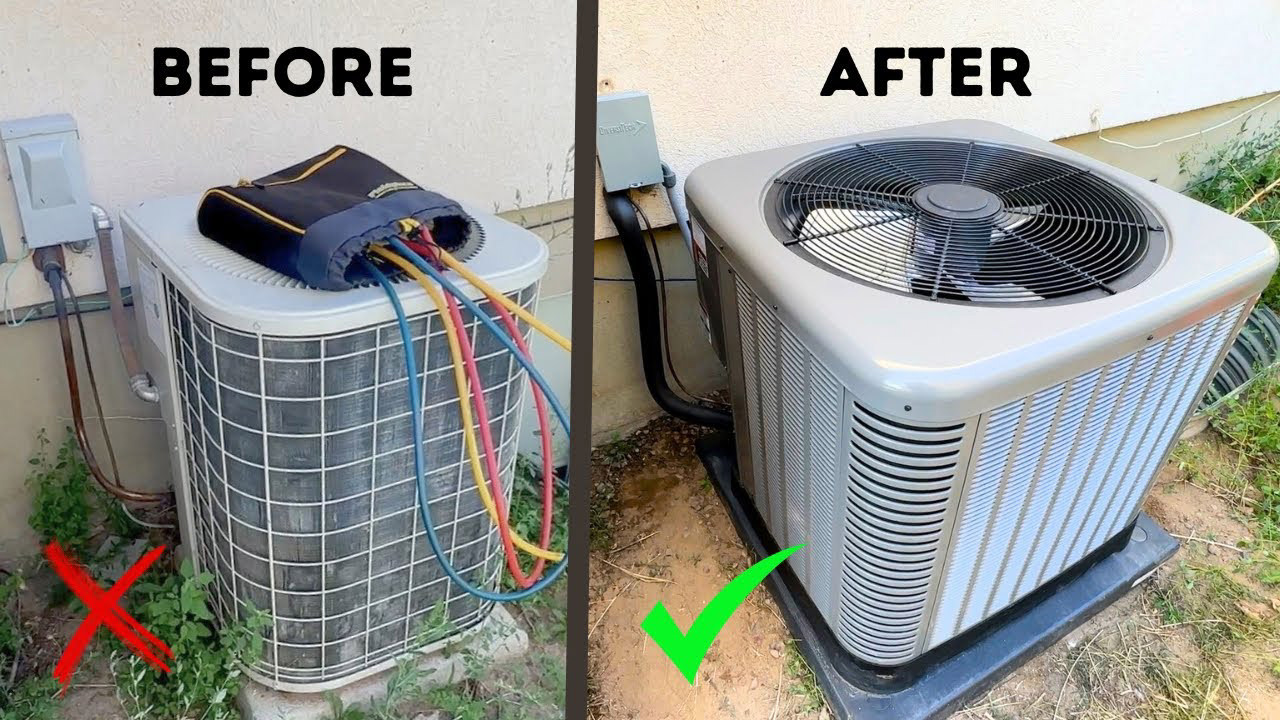
If your furnace just died in the middle of winter, or your AC finally gave out after fifteen summers of hard work, you’re probably asking the same question every homeowner asks at this point: what does HVAC installation actually involve, and is it as painful as everyone says?
Here’s the short answer: a professional HVAC installation typically takes one to three days, costs anywhere from $5,000 to $15,000 depending on your home and system type, and — when done correctly — should be one of the last major purchases your house needs for the next 15 to 20 years.
The longer answer is more interesting, and it’s the one that actually helps you make a good decision. Let’s walk through it.
What Is HVAC System Installation?
HVAC stands for Heating, Ventilation, and Air Conditioning. Installation refers to the process of removing an old system (if one exists) and putting in a new heating and cooling setup — this can mean a furnace, air conditioner, heat pump, ductwork, thermostat, and all the electrical and refrigerant lines that connect them.
It’s not just “swapping a box.” A proper installation involves sizing calculations, ductwork inspection, electrical work, and code compliance — all of which affect how well your system performs for the next decade or two.
Signs You Actually Need a New HVAC System
Before jumping into installation, it helps to know when replacement genuinely makes sense versus when a repair will do.
Consider replacement if:
- Your system is 12–15+ years old
- Repair costs are creeping above 50% of a new system’s price
- Your energy bills have climbed steadily despite normal usage
- You’re running repairs more than once a year
- Rooms in your home heat or cool unevenly
- The system uses R-22 refrigerant (phased out and increasingly expensive to service)
In my experience visiting homes across Berks County, the “should I repair or replace” conversation almost always comes down to age plus frequency of breakdowns. A ten-year-old unit with one issue is worth fixing. A sixteen-year-old unit having its third service call this year usually isn’t.
Is It Hard to Replace an HVAC System?
This is the question most people are really asking, so let’s answer it directly: replacing an HVAC system is not something you’ll personally struggle with — because it shouldn’t be a DIY project. The physical and technical work is handled by licensed technicians. What makes the process feel “hard” for homeowners is usually the decision-making, not the labor.
Here’s what tends to trip people up:
Choosing the right size. Bigger isn’t better. An oversized unit cycles on and off too quickly, wearing out faster and leaving your home humid and unevenly conditioned. A proper technician performs a load calculation (often called a Manual J calculation) based on your home’s square footage, insulation, windows, and layout — not just a rough guess based on your old unit.
Understanding permits and code requirements. Most municipalities require permits for HVAC replacement, and inspections confirm the work meets current building and electrical codes. A licensed contractor handles this paperwork as part of the job.
Comparing quotes that aren’t apples-to-apples. Two quotes for “a new furnace” can vary wildly depending on efficiency ratings, ductwork modifications, and warranty coverage. This is where homeowners get confused, not the installation itself.
So no — the installation isn’t “hard” for you. It’s a job for professionals. Your part is choosing the right contractor and the right equipment for your home.
How the HVAC Installation Process Actually Works
Here’s what a typical installation looks like, start to finish, based on how we run jobs in the field.
Step 1: Home Assessment and Load Calculation
A technician inspects your existing system, ductwork, insulation, and square footage to calculate the correct system size. Skipping this step is the single most common cause of poor HVAC performance — I’ve walked into homes with units that were two sizes too big for the space, installed years earlier by someone in a hurry.
Step 2: Equipment Selection
You’ll choose between furnaces, heat pumps, central air conditioners, or hybrid systems, along with efficiency ratings (SEER2 for cooling, AFUE for gas furnaces). Higher efficiency costs more upfront but lowers monthly bills.
Step 3: Removal of the Old System
The existing unit, and sometimes old ductwork or line sets, gets safely disconnected and removed. Refrigerant is recovered according to EPA regulations — this isn’t optional, it’s the law.
Step 4: New Equipment Installation
The new unit is set, connected to ductwork or line sets, wired, and charged with refrigerant if applicable. This is precision work; incorrect refrigerant charge is one of the top reasons new systems underperform.
Step 5: Testing and Calibration
Airflow, temperature differentials, and thermostat function are all tested before the technician calls the job complete. A good installer doesn’t just walk away once the unit turns on — they confirm it’s actually heating or cooling correctly.
Step 6: Permit Inspection
Depending on your municipality, a local inspector may need to sign off on the work before it’s considered fully complete.
Most straightforward installations take one full day. Jobs involving ductwork changes, electrical upgrades, or difficult attic/crawlspace access can stretch to two or three days.
How Much Does HVAC Installation Cost?
Pricing varies by region, equipment type, and home complexity, but here’s a general range:
| System Type | Typical Installed Cost |
|---|---|
| Central Air Conditioner | $4,500 – $9,000 |
| Gas Furnace | $4,000 – $8,500 |
| Heat Pump (full system) | $6,000 – $14,000 |
| Ductless Mini-Split | $3,000 – $10,000 |
| Complete HVAC System (furnace + AC) | $8,000 – $16,000 |
Factors that push cost up or down include ductwork condition, home size, electrical panel capacity, brand and efficiency rating, and accessibility of the installation site (a unit tucked in a tight crawlspace takes longer than one in an open basement).
How Long Does a New HVAC System Last?
With regular maintenance, most systems last:
- Furnaces: 15–20 years
- Central air conditioners: 12–17 years
- Heat pumps: 10–15 years (more cycles per year than AC-only systems)
- Ductless mini-splits: 15–20 years
Regular filter changes, annual tune-ups, and prompt repairs make a measurable difference here. I’ve seen well-maintained 18-year-old furnaces still running strong, and neglected 8-year-old units already failing.
Real Example: A Recent Installation
A homeowner in Reading recently called us about a 19-year-old furnace that kept short-cycling — turning on and off every few minutes instead of running a normal heating cycle. On inspection, the unit was oversized for the home, a common issue with older installations that didn’t use proper load calculations.
We replaced it with a correctly sized, higher-efficiency furnace matched to the home’s actual heating needs. The result: more even heat distribution, quieter operation, and a noticeable drop in the homeowner’s monthly gas bill. This is a good example of why “bigger” was never the problem’s fix — right-sizing was.
HVAC Installation FAQs
How long does HVAC installation take? Most standard installations take one full day. Complex jobs involving ductwork or electrical upgrades can take two to three days.
Do I need a permit to replace my HVAC system? In most areas, yes. Licensed contractors typically handle permitting as part of the installation process.
Can I install an HVAC system myself? It’s not recommended. HVAC installation involves electrical work, refrigerant handling (which requires EPA certification), and combustible gas connections for furnaces. DIY installation can void manufacturer warranties and create safety hazards.
What’s the best time of year to install a new HVAC system? Spring and fall are typically less busy for HVAC companies, which can mean faster scheduling and sometimes better pricing. That said, if your system fails, replacement shouldn’t wait for the “ideal” season.
Is it cheaper to repair or replace an HVAC system? If your system is under 10 years old and the repair costs less than half the price of a new unit, repair usually makes more financial sense. Beyond that age, replacement often pays for itself through efficiency gains and reduced repair frequency.
How do I know what size HVAC system I need? A licensed technician should perform a Manual J load calculation, which accounts for your home’s square footage, insulation, window count, and layout — not just a rule-of-thumb estimate.
Choosing the Right HVAC Contractor
Not every installer is equal, and this decision matters more than most homeowners realize. If you’re comparing quotes, it helps to first understand what a properly done hvac system installation actually includes, so you know what to look for. Look for:
- Proper licensing and insurance in your state
- EPA certification for refrigerant handling
- Manufacturer certifications (Trane, Carrier, Goodman, etc.)
- Willingness to perform a load calculation rather than guessing at size
- Clear, itemized written quotes
- Solid warranty terms on both equipment and labor
A quick red flag: any contractor who quotes a full HVAC replacement over the phone without seeing your home in person is skipping a step that matters.
Final Thoughts
A new HVAC system is a significant investment, but it’s not a mysterious or overwhelming process once you understand what’s actually involved. The physical work belongs to trained professionals. Your job is picking the right size, the right efficiency rating, and a contractor who does the assessment properly instead of rushing to a sale.
If you’re weighing a repair versus replacement decision, or you’re ready for a straightforward, honest installation quote, Heck’s Heating & Cooling LLC is happy to walk through your options and give you a clear answer — no pressure, no guesswork.